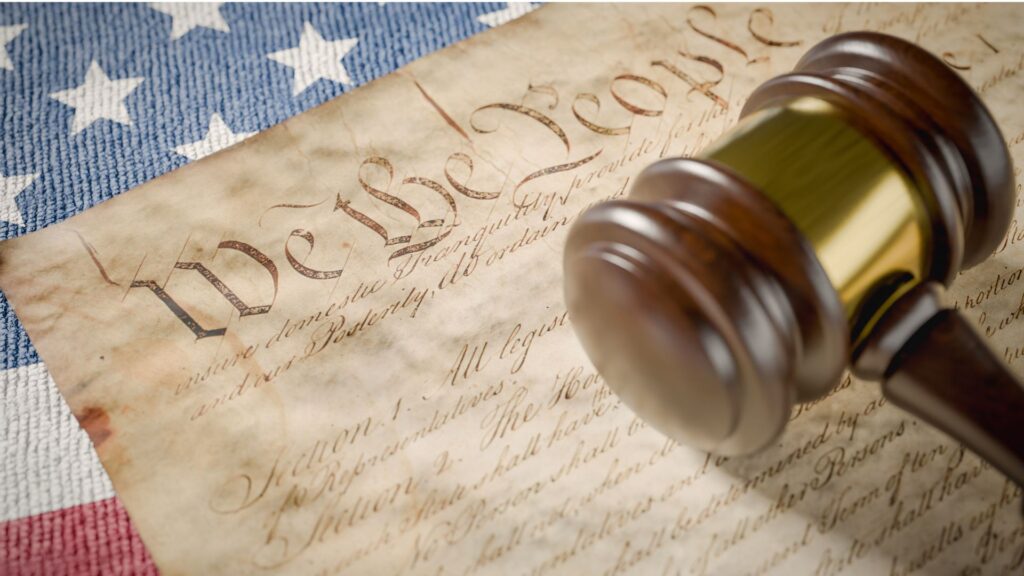

Every year on December 15, Bill of Rights Day commemorates the ratification of the first ten amendments to the U.S. Constitution. Known collectively as the Bill of Rights, these amendments were designed to protect individual freedoms and limit government power. More than two centuries later, their relevance hasn’t faded; in fact, their importance has only grown.
From free speech to due process, the Bill of Rights shapes everyday life in ways many people don’t even realize. Understanding why these protections matter today helps Americans better appreciate the foundation of their freedoms.
Understanding the Bill of Rights and the First Ten Amendments
The First Ten Amendments were ratified in 1791 as a response to concerns that the original Constitution did not adequately protect individual liberties. These amendments outline fundamental rights that remain central to American democracy.
They include protections such as:
- Freedom of speech, religion, and the press
- The right to bear arms
- Protection from unreasonable searches and seizures
- Due process and fair trials
- Limits on excessive punishment
Together, these rights form the backbone of constitutional rights and define the relationship between citizens and government.
Why the Bill of Rights Still Matters in Modern America
Although written in the 18th century, the importance of the Bill of Rights is far from historical. These protections continue to influence modern law, court decisions, and everyday interactions.
Safeguarding Civil Liberties
The Bill of Rights ensures civil liberties are protected regardless of shifting political climates. Courts regularly rely on these amendments when addressing issues involving speech, privacy, religion, and personal freedoms.
Balancing Government Power
One of the core purposes of the Bill of Rights is to prevent the concentration or abuse of power. By setting clear boundaries, the amendments reinforce accountability and protect individuals from overreach.
Adapting to New Challenges
From digital privacy concerns to freedom of expression online, courts interpret the Bill of Rights to address modern realities; proving its lasting adaptability.
The Bill of Rights and American Freedoms Today
The Bill of Rights directly affects daily life, often in ways that go unnoticed. Examples include:
- Speaking openly without fear of censorship
- Practicing religion freely or not at all
- Expecting privacy in one’s home and personal information
- Receiving fair treatment under the law
These American freedoms are not automatic, they exist because the Bill of Rights continues to guide legal standards and public policy.
How the Bill of Rights Protects Families and Individuals
Many of the protections found in the Bill of Rights extend beyond abstract legal principles and into personal and family matters.
- Property rights influence estate planning and inheritance laws
- Due process protections ensure fairness in probate and legal disputes
- Privacy rights affect medical, financial, and personal decisions
Understanding these rights empowers individuals to make informed decisions and seek appropriate legal guidance when needed.
Why Bill of Rights Day Is Still Worth Celebrating
Bill of Rights Day is more than a history lesson, it’s a reminder that rights must be understood to be protected. Celebrating this day encourages reflection on how freedoms are preserved and how individuals can remain informed and engaged citizens.
It also serves as a moment to appreciate the legal frameworks that protect families, property, and personal choices across generations.
Understanding your rights is the first step in protecting what matters most. If you want guidance on safeguarding your family, assets, and legacy, contact the Krause Estate Planning & Elder Law Center today for trusted support.
TL; DR
1. What is Bill of Rights Day and why is it important?
Bill of Rights Day, observed on December 15, marks the ratification of the first ten amendments to the U.S. Constitution. It’s important because these amendments protect individual freedoms and continue to shape American law and civil liberties today.
2. What are the first ten amendments in the Bill of Rights?
The first ten amendments guarantee core constitutional rights, including freedom of speech, religion, and the press; the right to bear arms; protection from unreasonable searches; due process; and limits on excessive punishment. Together, they define essential American freedoms.
3. Why does the Bill of Rights still matter in modern America?
The Bill of Rights still matters because courts rely on it to address modern issues like digital privacy, free expression online, and government accountability. Its principles remain adaptable to new legal and social challenges.
4. How does the Bill of Rights affect everyday life?
The Bill of Rights impacts daily life by protecting free speech, religious freedom, privacy, and fair legal treatment. These rights influence everything from public expression to personal property and legal proceedings.
5. How does the Bill of Rights protect families and individuals?
The Bill of Rights safeguards due process, property rights, and privacy; key protections that affect estate planning, inheritance, medical decisions, and legal disputes. Understanding these rights helps families make informed decisions and protect their interests.