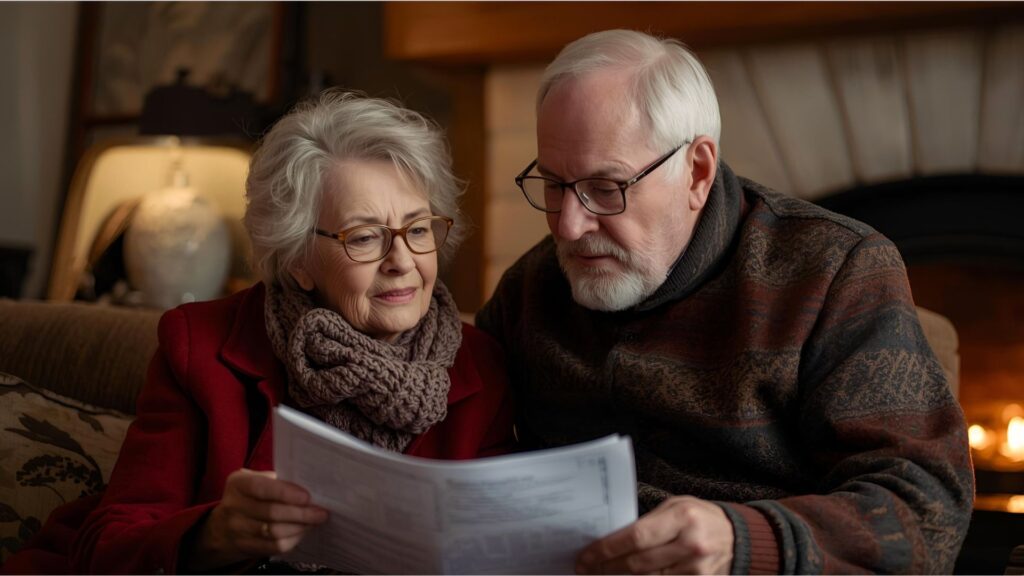

Wisconsin winters are beautiful but they can also pose serious risks for older adults. Icy sidewalks, extreme temperatures, and unpredictable weather can create dangerous situations for aging parents and loved ones. At the same time, winter is also an ideal moment to revisit legal planning, update key documents, and ensure long-term care needs are fully addressed.
This guide combines Elder Law Wisconsin essentials with practical winter safety tips so families can protect seniors physically and legally throughout the cold months.
Why Elder Law Wisconsin Matters More During Winter
For seniors in Wisconsin, winter brings unique challenges that highlight why strong legal and safety planning is essential. From medical emergencies to mobility issues, the season increases the risk of injuries and unexpected health complications.
At the same time, legal preparedness including powers of attorney, long-term care planning, and estate documents, ensures families are equipped to make decisions quickly if an emergency occurs.
Wisconsin elder law planning helps families:
- Navigate healthcare decisions
- Prepare for long-term care costs
- Understand assisted living and nursing home options
- Protect financial resources
- Avoid unnecessary delays during emergencies
This combination of safety and legal readiness gives seniors greater independence and peace of mind.
Senior Winter Safety Tips Wisconsin Families Should Prioritize
Winter safety isn’t just about staying warm, it’s about preventing avoidable accidents and ensuring support is in place.
1. Preventing Slips and Falls
Icy walkways are one of the biggest seasonal risks for older adults. Families should check that:
- Sidewalks and driveways are cleared regularly
- Salt or sand is applied to slippery areas
- Proper winter footwear with strong grip is available
Falls increase dramatically during Wisconsin winters, especially among older adults with mobility challenges.
2. Protecting Seniors from Extreme Cold
Cold-weather safety for seniors includes ensuring:
- Thermostats are set to a safe temperature
- Heating equipment is maintained
- Emergency blankets and supplies are easily accessible
Hypothermia can develop faster in older adults, even indoors if the temperature drops too low.
3. Preparing for Power Outages and Storms
Winter storms can disrupt everything; heat, communication, and access to care. Families should prepare:
- A backup power plan
- A fully stocked emergency kit
- A communication plan for check-ins
These simple steps can be lifesaving.
Wisconsin Elder Law Planning for Winter Emergencies
Legal preparedness plays a crucial role in ensuring seniors receive the right care when unexpected events happen.
Power of Attorney and Healthcare Directives
If a senior is injured during winter or unable to make decisions temporarily, having updated powers of attorney allows trusted family members to step in. This ensures:
- Bills can be paid
- Medical decisions are made quickly
- Long-term care transitions happen smoothly
Families without these documents often face delays during crises.
Long-Term Care Preparation Before Winter
Costly care transitions often arise after seasonal injuries. Preparing early, before an accident, ensures families understand:
- Medicaid planning options
- Long-term care insurance
- Assisted living and nursing home choices
- Asset protection strategies
These steps protect aging parents and reduce financial strain.
Estate Planning for Seniors in Wisconsin
Winter is an ideal time to review essential documents, including:
- Wills
- Trusts
- Beneficiary designations
- Financial plans
- Guardianship nominations
Having up-to-date documents prevents confusion during stressful situations.
Protecting Aging Parents: A Combined Safety & Legal Strategy
Families in Wisconsin benefit from taking a holistic approach: pairing senior winter safety tips with strong legal preparation. This ensures aging parents stay protected physically and financially.
A proactive winter plan helps:
- Reduce accidents and hospital visits
- Ensure emergency decisions can be made quickly
- Safeguard family resources
- Protect seniors’ rights in long-term care settings
Winter may be harsh, but with proper planning, seniors can remain safe, comfortable, and empowered all season long.
Winter brings challenges but with the right legal planning and safety strategies, your loved ones can stay protected all season long. Schedule a consultation with our Elder Law team to prepare your family for winter and beyond.
TL; DR
1. Why is Elder Law Wisconsin especially important during winter?
Winter increases the risk of falls, medical emergencies, and mobility challenges for seniors. Elder Law Wisconsin ensures families have the right legal tools such as powers of attorney, healthcare directives, and long-term care planning, to respond quickly if an emergency occurs.
2. What legal documents should seniors update before winter?
Seniors should review and update their wills, trusts, powers of attorney, healthcare directives, beneficiary designations, and financial plans. These documents help families make timely decisions and avoid delays during weather-related emergencies.
3. How can Wisconsin families improve winter safety for aging parents?
Key senior winter safety tips include preventing slips and falls, maintaining safe indoor temperatures, preparing for power outages, and creating communication plans. These steps reduce winter-related injuries and help protect aging parents throughout the season.
4. What long-term care planning steps should be taken before winter?
Families should explore Medicaid planning, long-term care insurance, assisted living options, nursing home choices, and asset-protection strategies. Preparing before winter accidents occur helps minimize financial strain and ensures smoother transitions to necessary care.
5. How does Elder Law Wisconsin help with emergency decision-making?
Updated powers of attorney and healthcare directives allow designated family members to make financial and medical decisions immediately if a senior becomes injured or unable to communicate; avoiding costly delays during winter crises.